
Fix & Flip, DSCR, Construction & Working Capital — Structured Around Your Strategy
Funding Should Match the Strategy — Not the Other Way Around
Other Brokers
- Push one product
- Generic approvals
- Transaction focused
- Slow communication
Rabbani Capital
- Review all options
- Strategy-first guidance
- Long-term growth focused
- Clear, direct process
|
|
Fix & Flip
|
DSCR
|
Ground-Up
|
Working Capital
|
|---|---|---|---|---|
|
Term
|
6–18 mo
|
30 yr
|
12–18 mo
|
6–18 mo
|
|
Income verification
|
No
|
No
|
No
|
Business only
|
|
Collateral
|
Property
|
Property
|
Property
|
Not required
|
|
Speed
|
7–14 days
|
2–4 weeks
|
4–6 weeks
|
5–10 days
|
|
Best for
|
Flippers
|
Buy & hold
|
Developers
|
Active investors
|
Fix & Flip Loans
What it is:
Short-term financing for acquisition and renovation
Best for:
Active investors flipping properties
Loan range:
$50K – $3M+
States:
Nationwide
Key benefits:
- Closings in as little as 7–14 days
- Loan terms from 6–36 months
- Up to 100% LTC on acquisition + renovation
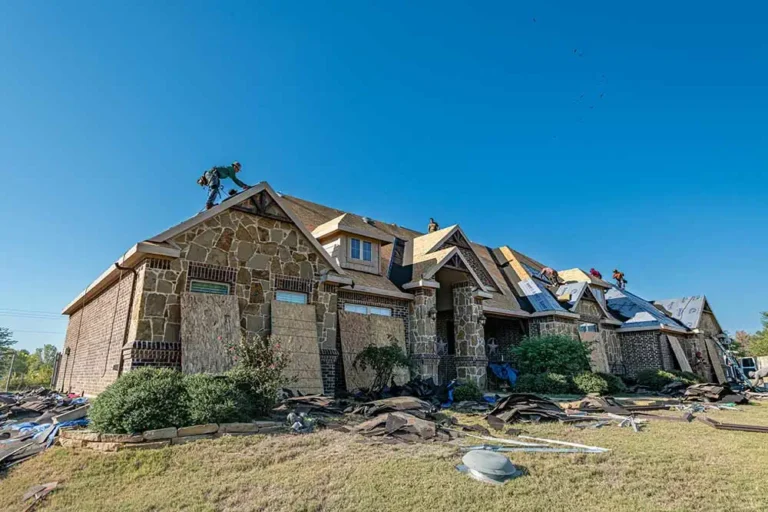
In many cases, experienced investors with clean deals can close in as little as 10–14 days. More complex scenarios may take longer depending on the property and lender requirements.
No. Fix & flip loans are asset-based, meaning qualification is primarily based on the property value, purchase price, and renovation scope — not your personal W-2 income.
Not always. Some lenders work with first-time flippers, though terms and requirements may vary. Experienced investors typically access better rates and higher leverage.
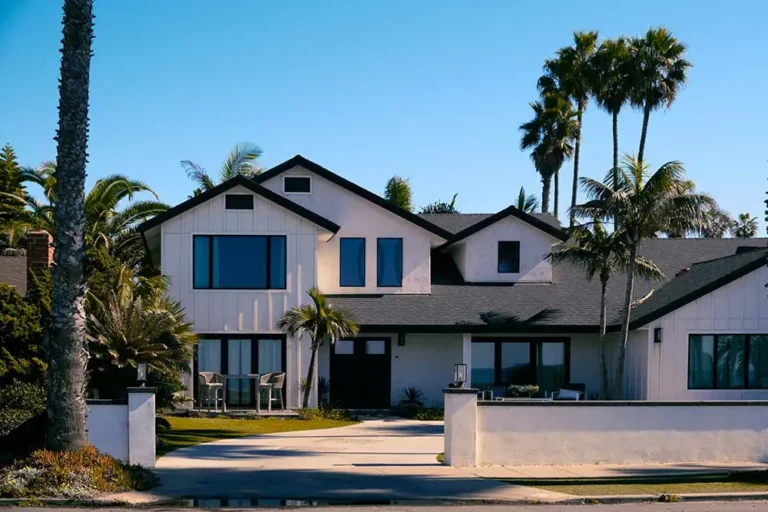
Yes. Many lenders will underwrite STR properties using projected or historical rental income. Market rental data may be used in place of a traditional lease.
Yes. Once a property is stabilized and rented, a DSCR refinance allows you to pull equity out based on rental income — without needing to qualify on personal earnings. This is one of the most common uses of DSCR financing we structure.
DSCR Loans
What it is:
Long-term rental loans based on property income
Best for:
Buy & hold investors
Loan range:
$50K – $5M+
Property types:
Single family, multifamily (2–4 units), STR
Min DSCR ratio:
0.80–1.25 (varies by lender)
Key benefits:
- No income verification
- Portfolio expansion without W-2 qualification
- 30-year options available
"Also ideal for the refinance leg of a BRRRR strategy — qualify based on rental income, not personal earnings."
Ground-Up Construction
What it is:
Financing for new builds
Best for:
Experienced developers with 1+ completed project
Loan to cost:
Up to 85% LTC on eligible projects
Key benefits:
- Draw schedules tied to construction milestones
- Available for projects $200K – $5M+
- Interest-only during construction period
"Ground-up construction financing is available for experienced investors and developers. First-time builders may be reviewed on a case-by-case basis."
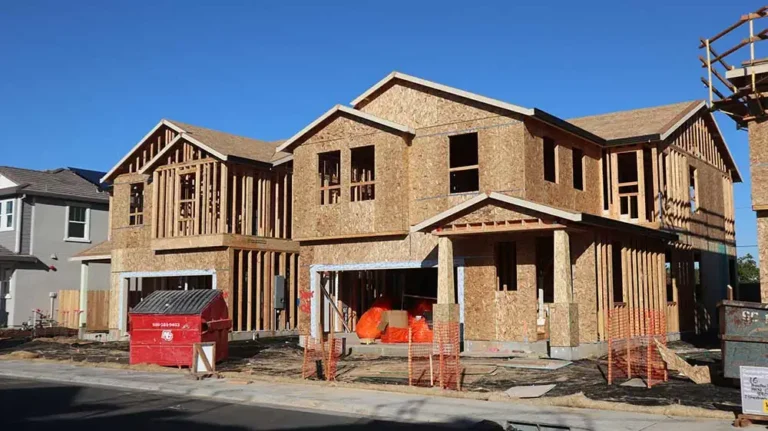
We work with investors and developers building new residential properties, including single family homes, small multifamily, and spec builds. Project eligibility depends on scope, experience, and market.
Most lenders require at least one completed ground-up project. First-time builders may still be reviewed on a case-by-case basis depending on the deal structure and team involved.
Funds are released in stages tied to construction milestones — typically foundation, framing, mechanical/electrical, and completion. An inspector verifies progress before each draw is released.
Many programs offer up to 80–85% of total project cost for qualified borrowers. Land equity and borrower experience are key factors in determining leverage.
Most ground-up construction loans have terms of 12–18 months, with extensions available depending on the lender and project timeline.

Working capital is commonly used by investors for acquisition deposits, renovation cost gaps, bridge funding between deals, operating expenses, and maintaining liquidity while active projects are in progress.
Programs typically range from $25K to $500K+ depending on business profile, revenue, time in business, and creditworthiness.
Not always. Many working capital programs are unsecured, meaning no real estate or physical asset is required as collateral. Qualification is based primarily on business and personal credit profile.
In many cases, qualified borrowers can access working capital in as little as 5–10 business days from application to funding.
Working Capital
What it is:
Business capital solutions for active real estate investors — used for acquisition deposits, bridge gaps, operating expenses, and deal flow management.
Typical range:
$25K – $500K
Best used for:
Acquisition deposits, renovation gaps, portfolio liquidity, gator funding
Key benefits:
- 0% interest options available for qualified borrowers (12–18 month terms)
- No collateral required on select programs
- Funding in as little as 5–10 business days
Not Sure Which Funding Path Fits Your Situation?
That's exactly what the first call is for. We'll review your project, timeline, and goals — and help you identify which funding direction makes the most sense before you ever fill out an application.
No pressure. No commitment. Just clarity.